CALL FOR ART RESIDENCY 2027
Audiovisual Artists
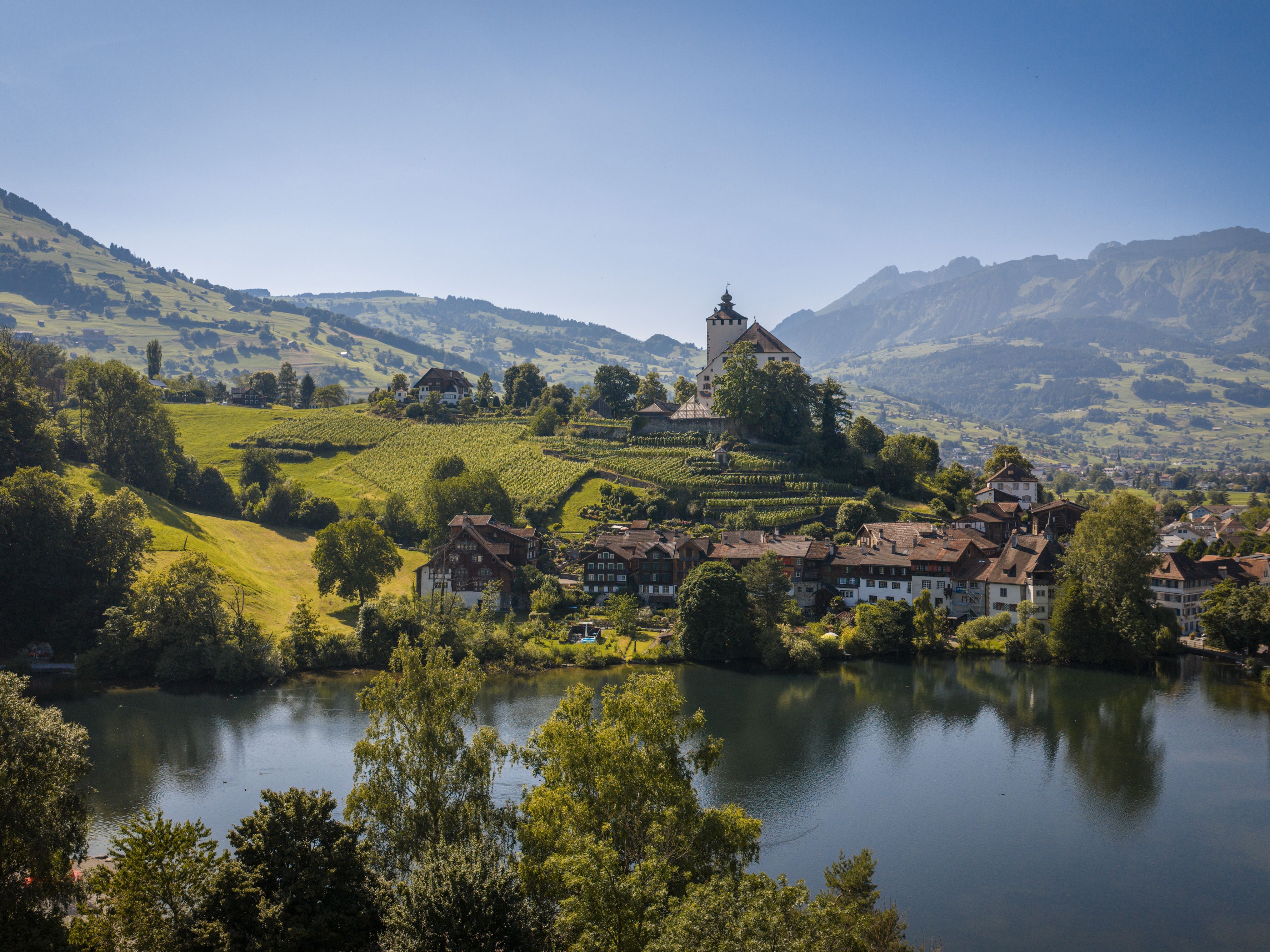
The 14th SCHLOSSMEDIALE INTERNATIONAL FESTIVAL OF EARLY MUSIC, NEW MUSIC AND AUDIOVISUAL ART will take place from June 17 – 26, 2027 at Werdenberg castle in the canton of St.Gallen in Switzerland.
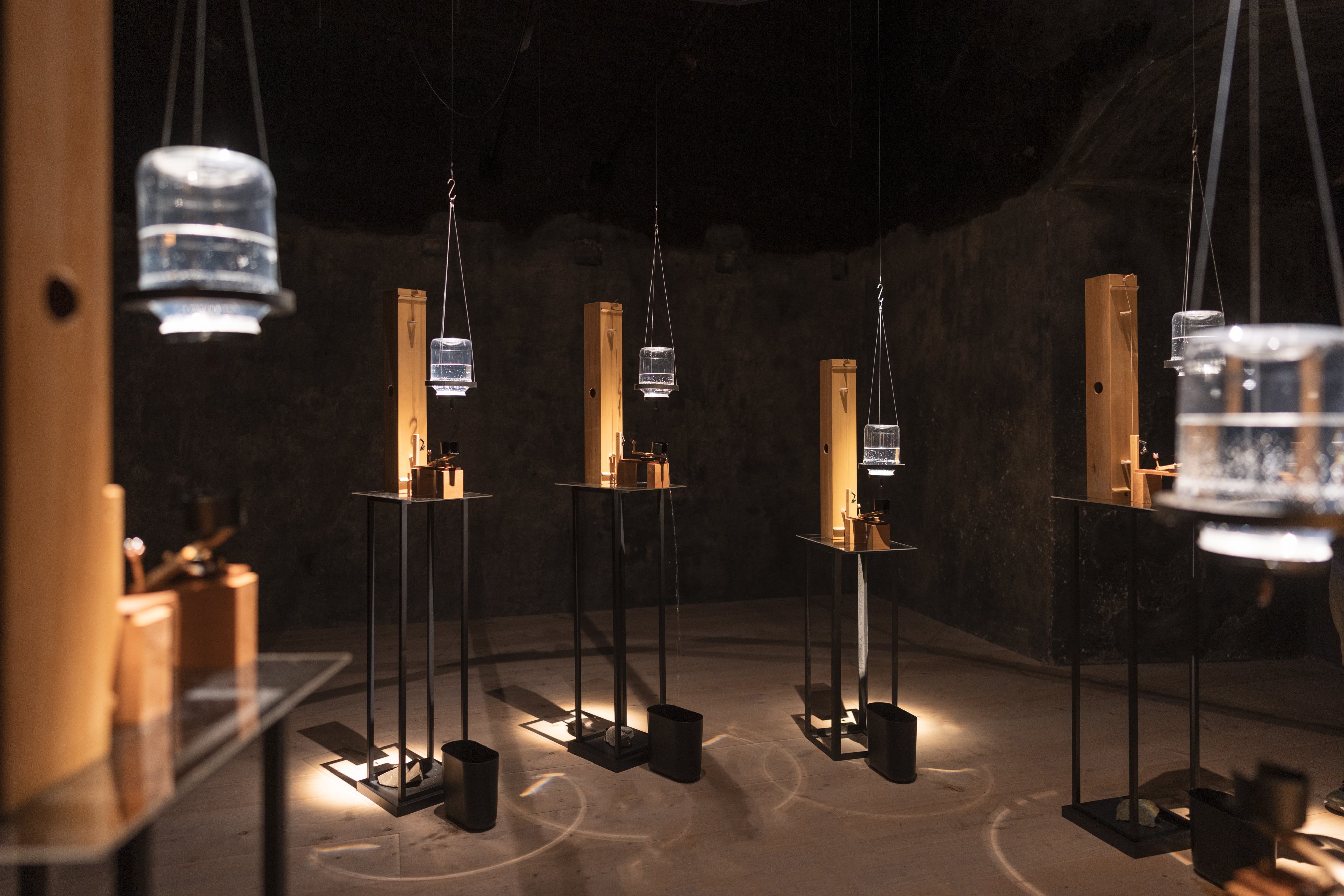
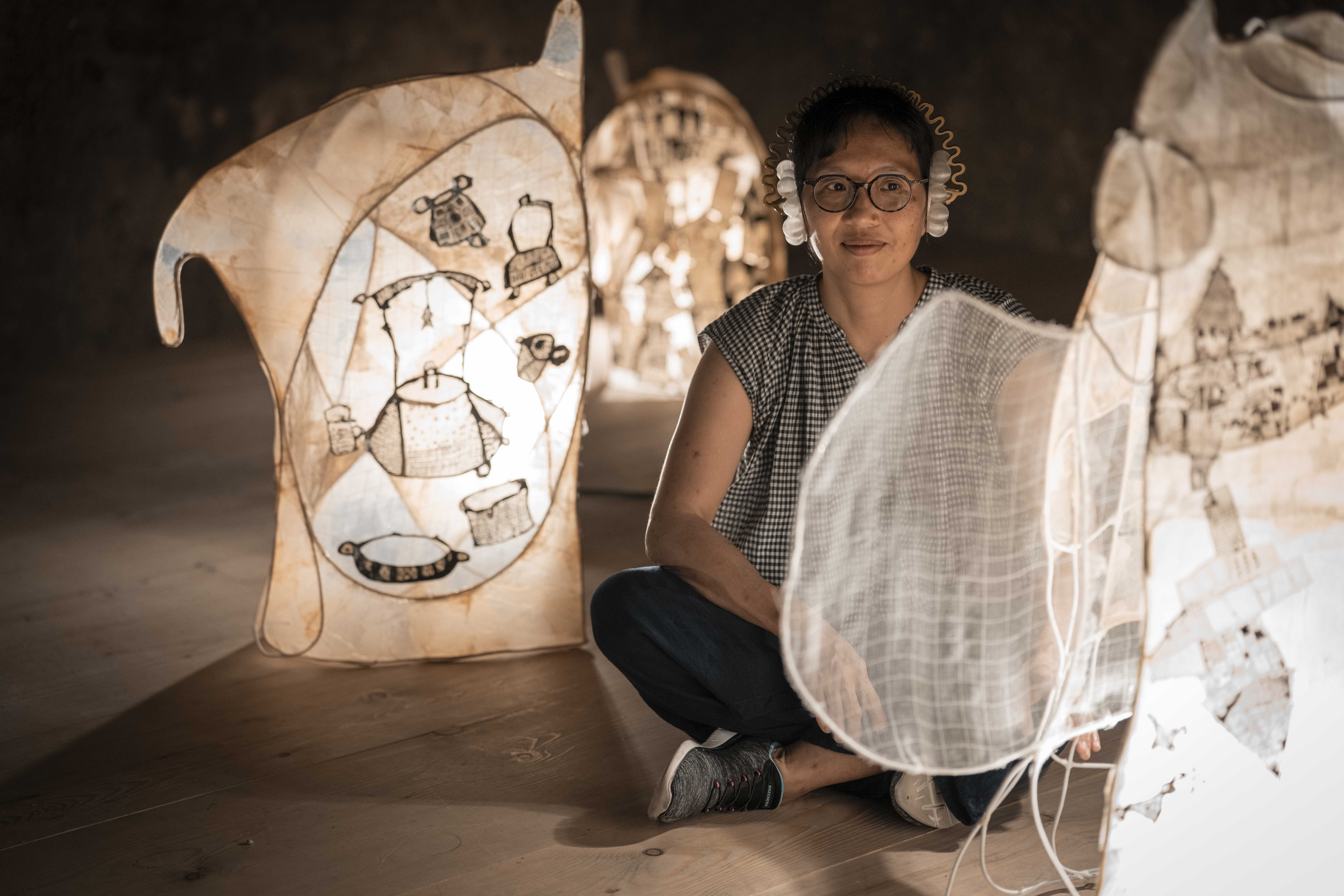
A grant for a five-week residency will give three individually active artists the opportunity to develop new art at a location that is steeped in history, and to display, install or perform their work in the unique spaces of the castle in creative and open engagement with it.
The works created will be shown in the castle during the Schlossmediale Festival.
We are looking forward to welcoming artists who are ready to find inspiration for their work in the castle and its surroundings. Each year a motto is chosen that defines the programme of the ten-day festival and is also the basis for a creative response by the artists in residence.
General Conditions for the Residency Grant
Annual motto for 2025:
KLATSCH! (RUMOUR-IMPACT, description below)
Duration of the artist residency:
May 17 – June 27, 2027
(festival: June 17 – 26, 2027)
Artists in residence
three qualified artists – solo artists, no duos or groups – with academic degrees in different fields who represent the following artistic disciplines:
- sound art
- sound studies
- audiovisual art
- experimental instrument building
- visual art
- installations
- sculpture
- land art
- performance
Important note: Sound installations without a visual dimension will not be taken into account.
Funding
Grant:
CHF 4.000.–
Expenses for travel, transport and meals:
CHF 1.000.–
Material costs:
up to CHF 1.000.–
Because of the individually different working methods, the artists in residence are obliged to purchase and bring along their most important tools on their own (i. e. hardware, software, technical equipment, special tools, etc.).
Living and Working
The artwork must be finished and in perfect working order on the opening day of the festival.
The grant holders are expected to work on their artwork, or parts of it, on site during the residency period. They will present the work they have created to groups touring the castle and in public talks during the festival. Also, before the exhibition opens, the artists commit to giving an insight into their work on at least one tour of the castle. Contact with and even the involvement of the residents of the small town (the Städtli) and the surrounding area is possible. For the art presentation, it is of great importance that the artists live and work in the castle and the Städtli.
Application
Please submit your application exclusively electronically under the following link.
https://werdenberg.openolat.com/position/1409025
The deadline of the application process ends October 18, 2026.
Annual motto
KLATSCH
Every sound seeks an ear. Every word seeks an echo.
The German word Klatsch signifies sound and rumour, applause and gossip. What is heard spreads, is transformed, amplified.
What links the (fake) news that runs amok through social media today with the stories that merchants, pilgrims or players carried from castle to castle eight hundred years ago? Every era has its own ways of disseminating information, yet the mechanism remains the same – information turns into stories, stories turn into memories, and sometimes hearsay actually starts to create reality itself.
We are shaped just as much by the stories we pass on as by those that reach us. No story is ever heard in exactly the same way: its meaning is altered by the gaze, the attention, the encounter.
Involving (in)discretion, collective memory, oral tradition, rumour and reputation, words forge connections – and can sever them as well. Like an invisible sound wave, language has the power to unite or divide, to heal or to wound.
For its 2027 edition, the Schlossmediale festival brings out the many resonances of the concept of Klatsch. Music, visual arts, performance and installation explore what circulates between people, places, materials and memories. The castle becomes a chamber where the sounds of the present meet the echoes of the past that still reverberate within its walls today.
CONCERTS AND EXHIBITION
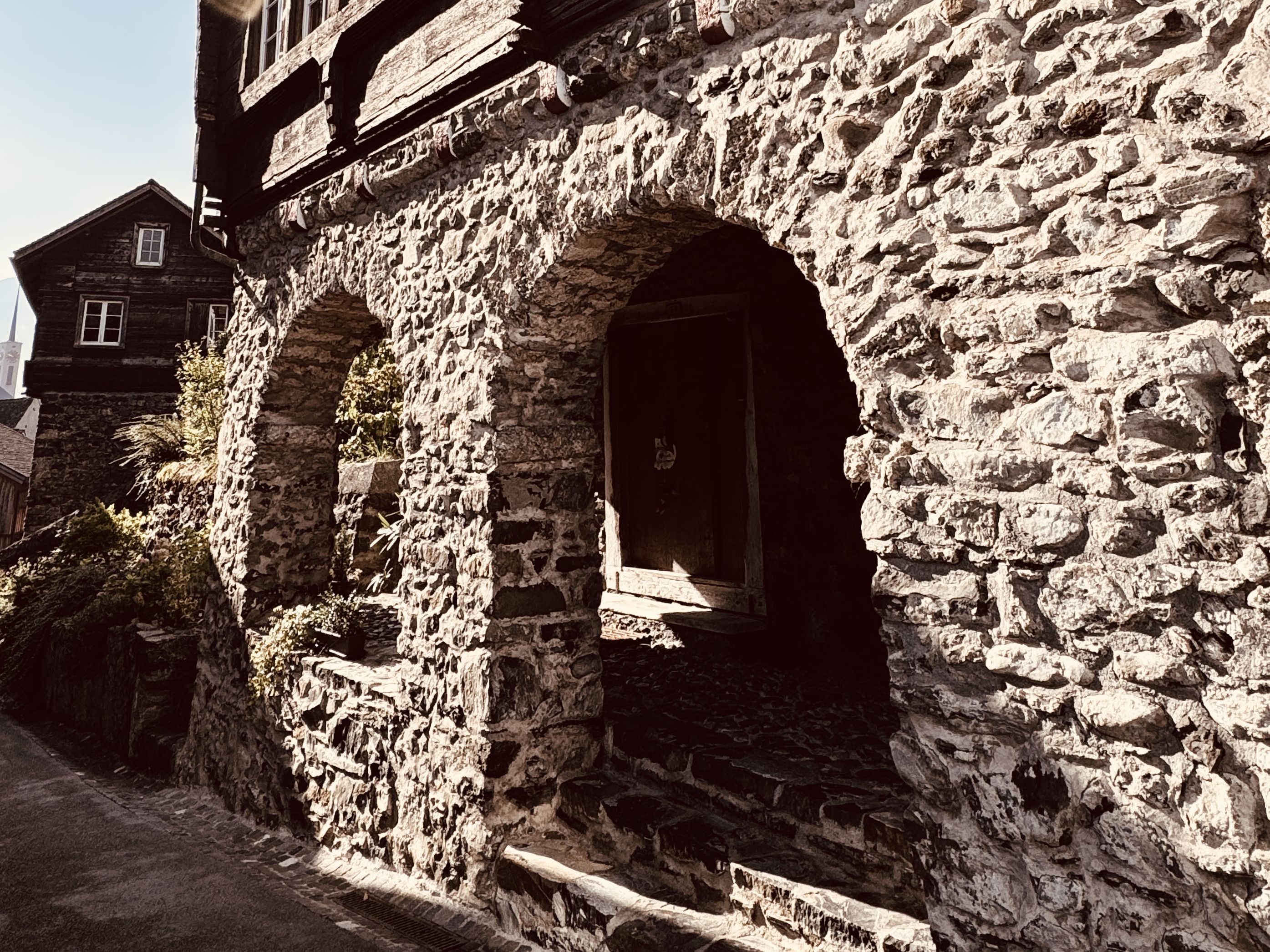
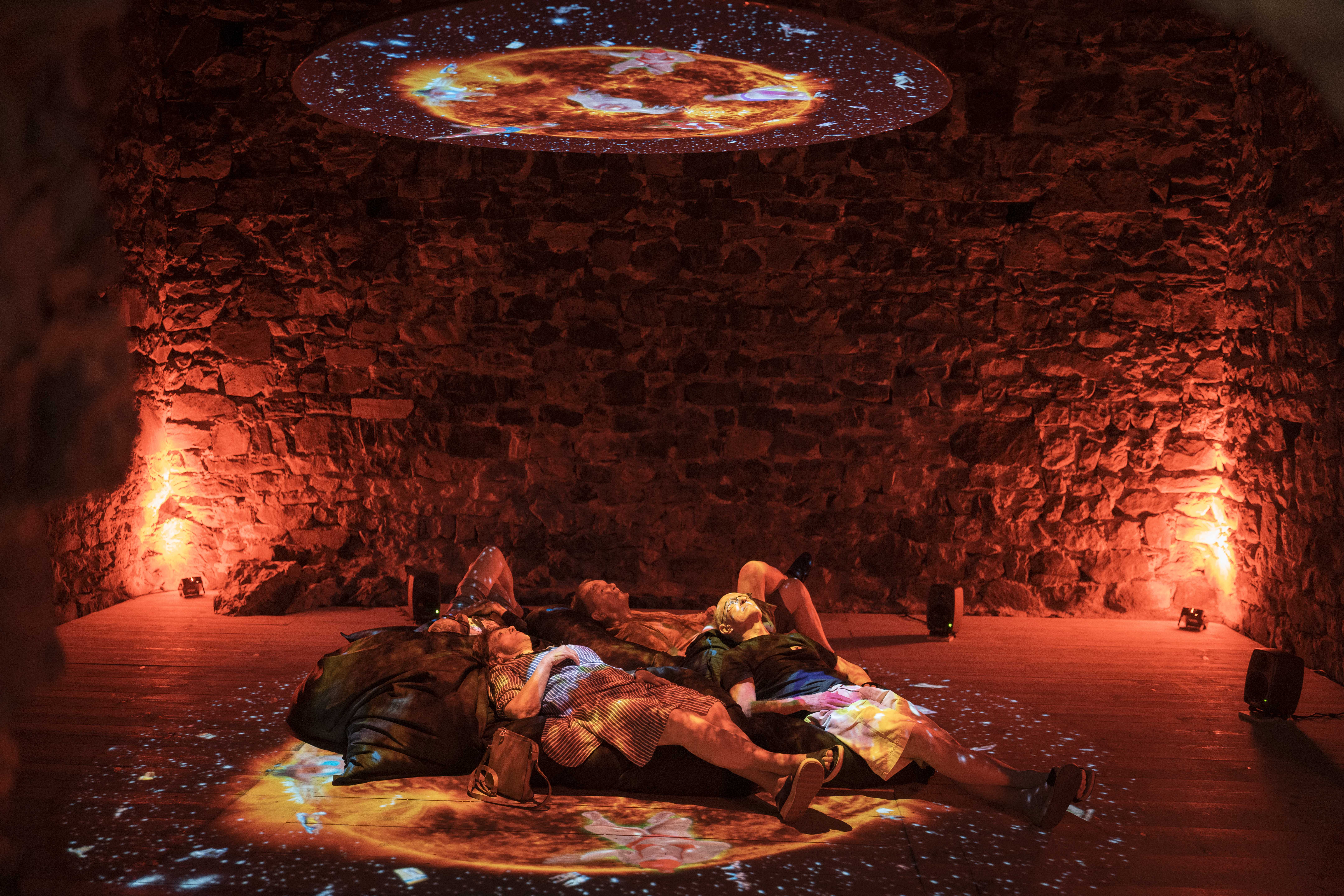
During the Schlossmediale, the castle will continue to be used in a variety of ways as a museum, occupying both furnished historical rooms and empty. The exhibition, which the grant holders will be part of, complements the concerts and performances, and vice versa. Some exhibition spaces will be the venue for concerts and performances in the evening. Depending on the location of the presentation and the artwork, certain spaces can be used in advance of the festival, on the understanding that the museum in the castle must be accessible to the public. Before as well as during the festival, an open, tolerant and flexible attitude is necessary, as there will be rehearsals, interior design work and consequently the occasional temporarily restricted area.
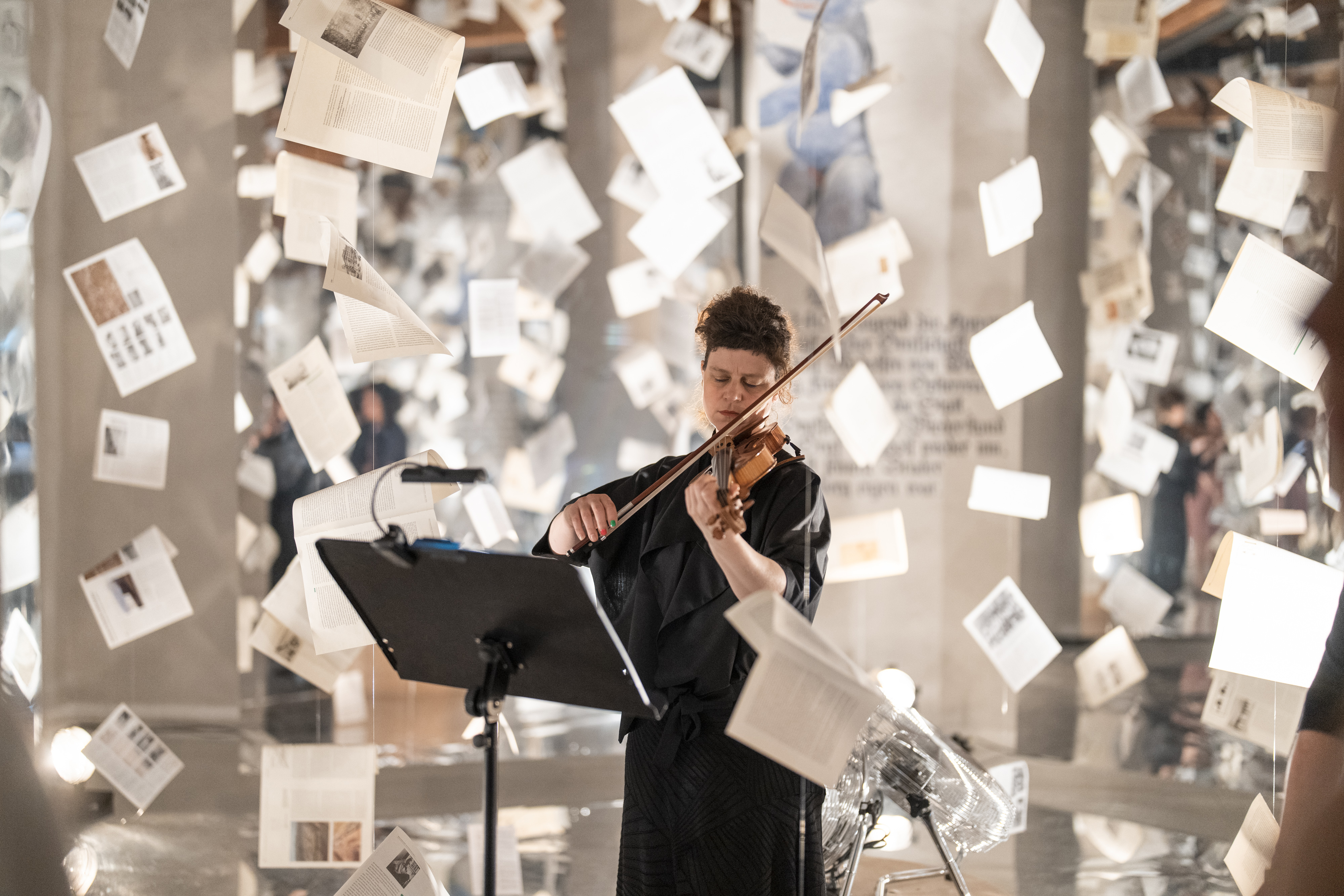
The interaction of different art forms is a central feature of the festival. International artists from a wide range of disciplines will be present, among them composers, musicians, sound artists, video artists, singers and dancers. The organisers attach importance to all artists engaging with each other, and therefore request grant holders to be in attendance for the duration of the festival. As a rule, grant holders can visit all performances free of charge.
LIVING AND WORKING
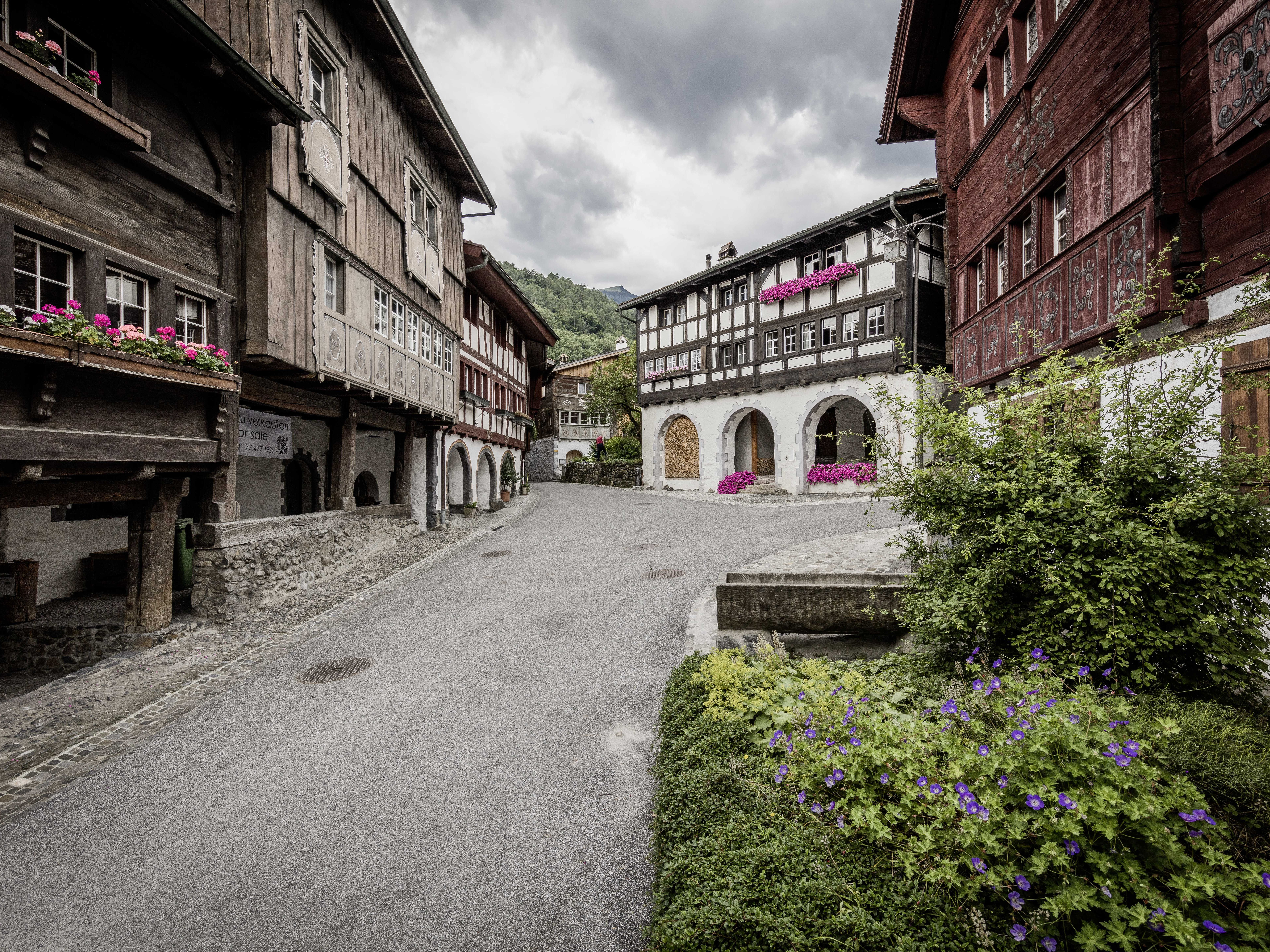
The three artists awarded the grant will live in a historical, charming house in the small, picturesque town of Werdenberg at the foot of the castle. Each will have a room at their disposal for the duration of the residency, as well as a shared kitchen, a shared living room and a small, shared bathroom. An open, considerate and sociable attitude is necessary for the cohabitation to function smoothly during the residency period; it is hoped that living together may bring additional value in terms of inspiration.
Long-term stays in the house by friends and relatives are not encouraged due to lack of space. It is important that any visits are organised by the grant holders themselves in consultation with each other.
There is only limited working space. Relatively small rooms in various houses can be made available for the purpose. No studios exist; the grant holders would have to arrange these individually in the locality. However, a few exhibition spaces in the castle can be used from an early stage, circumstances permitting.